

Global human rights rarely move forward just through big events; they grow through a quiet, shared push to break down unfair rules. Sunday, March 8, 2026, marks a special day where global leaders and local everyday activists come together. Working under the two main banners of the International Women’s Day 2026 theme set by the United Nations—”Rights. Justice. Action. For ALL Women and Girls”, and the worldwide grassroots campaign “Give to Gain,” the 2026 event acts as both a joyful celebration of progress and a deep look at the unfair barriers that still block gender equality 2026.
In a world facing fast tech changes, money struggles, and shifting global politics, empowering women is no longer just the right thing to do; it is the basic foundation of a strong world. This complete guide brings together the historical roots, economic needs, law changes, and simple steps that define the modern movement for women’s rights. It gives you everything you need to know about where the movement stands in 2026.
The Historical Genesis
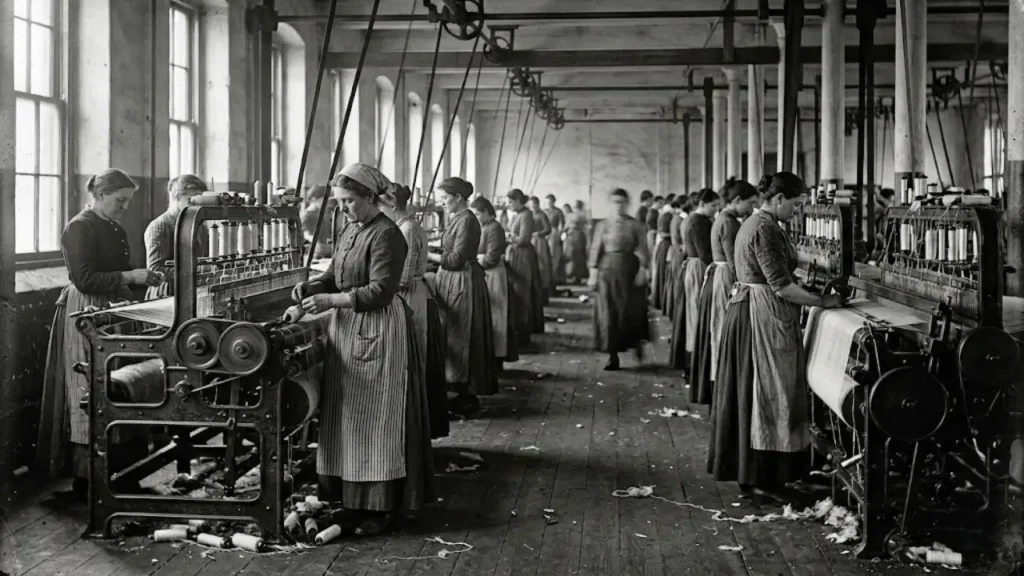
To fully understand the size of the 2026 movement, we must look at the day’s roots. The modern version of International Women’s Day is deeply tied to the fast, often unfair factory growth of the late 1800s and early 1900s. As global business grew, huge numbers of women were pulled into the workforce, especially in factories and clothing mills. There, they faced dangerous conditions, terrible pay, and no voice in politics.
The visual look of the movement was created during this time by the Women’s Social and Political Union (WSPU) in the United Kingdom around 1908. The signature colors of the movement were not picked at random as simple decorations, nor did they follow the common pink and blue labels. Purple was chosen to show justice and dignity, proving the true worth of women; White stood for pure and honest goals; and Green showed a strong hope for a fair future. During the fight for the right to vote, these colors were painted across signs, clothing, and campaign materials. Today, they are still the widely known colors of the global feminist movement in online campaigns.
The specific date of March 8 finds its deepest historical roots in the Russian Revolution of 1917. Facing severe food shortages, high unemployment, and the tragic human cost of the First World War, women factory workers in Petrograd took to the streets on March 8 (on the Gregorian calendar) under the powerful banner of “Bread and Peace”. While leaders at the time wanted to wait until Workers’ Day on May 1 to protest, the direct, firm demands of these women sparked a wider revolution. Within days, the movement forced Tsar Nicholas II to step down, which then led the temporary government to give women the right to vote.
In 1922, Soviet leader Vladimir Lenin, pushed by the advice of his social welfare leader, Alexandra Kollontai, officially made Women’s Day a Soviet holiday to honor the role women played in the revolution. Decades later, on May 8, 1965, it was formally made a public holiday to honor the heroic efforts and selflessness of women. The global power of these early worker movements finally reached a peak in 1977 when the United Nations officially recognized International Women’s Day. This turned the day into a global tool for fighting for gender equality and human rights.
UN Women Rights-Justice-Action
In 2026, the global conversation has moved from basic voting rights to the complex reality of deeply rooted unfairness. The UN Women Rights Justice Action theme directly faces a sad fact: globally, women only have 64 percent of the legal rights that men hold. This gap isn’t just a legal idea; it shows up as a real disadvantage in the basic setup of everyday life. In important areas like job markets, banking, family setups, property ownership, travel, and retirement savings, the law actively puts women at a disadvantage.
The latest United Nations gender report, called “Ensuring and Strengthening Access to Justice for All Women and Girls,” gives a harsh warning. It states that the very justice systems meant to protect weak groups are actively failing them. Amidst a known global pushback against equal rights—fueled by war, political control, and broken systems—women are facing more abuse without anyone being punished. Experts predict that if law changes keep moving at their current, slow pace, it will take 286 years to completely close the legal protection gaps between men and women.
Under the “Rights. Justice. Action.” rule, equal justice means that laws do not just exist on paper, but are strictly followed in real life. This clear vision includes legally protected access to schooling, the total end of child marriage, and the complete freedom for women to work and lead in politics. Furthermore, the plan demands justice systems that are totally fair, focused entirely on the feelings of survivors, and built on a zero-tolerance policy toward abuse.
Knowing that real change needs representation, the 2026 agenda also points out the vital role of women judges. The “Women in Justice, women for justice” campaign, matched perfectly with the International Day of Women Judges on March 10, highlights that female judges are key players who break up secret deals, fight corruption, bring needed new views to the courtroom, and greatly improve the fairness of the legal system.
CSW70 March 2026
Turning the United Nations’ goals into real, binding rules happens mostly at the historic 70th Session of the Commission on the Status of Women (CSW70). Starting at the United Nations Headquarters in New York from March 9 to 19, 2026, CSW70 serves as the UN’s largest yearly meeting focused entirely on gender equality and women’s rights. Created in 1946, it remains the main global body focused on setting worldwide standards for equality.
The main focus for CSW70 March 2026 matches the broader IWD goals: “Ensuring and strengthening access to justice for all women and girls, including by promoting inclusive and equitable legal systems, eliminating discriminatory laws, policies, and practices, and addressing structural barriers”. What happens inside these meeting rooms changes international laws, money distributions, and future standards, ending in signed agreements that force countries to meet specific goals.
The CSW70 meeting acts as a major hub for world leaders and local groups to connect. High-level events, such as the United Nations Development Programme (UNDP) panel discussing how to build justice systems in weak areas, highlight the specific, worsened dangers faced by women in war zones. Similarly, the Center for Reproductive Rights is hosting events with government leaders from Rwanda, Tunisia, and Cabo Verde. These highly anticipated meetings show Africa’s leadership in turning human rights promises into real national law, proving that fair models of legal change can work. Also, including young voices ensures that the unfair barriers denying justice are fixed for every age group.
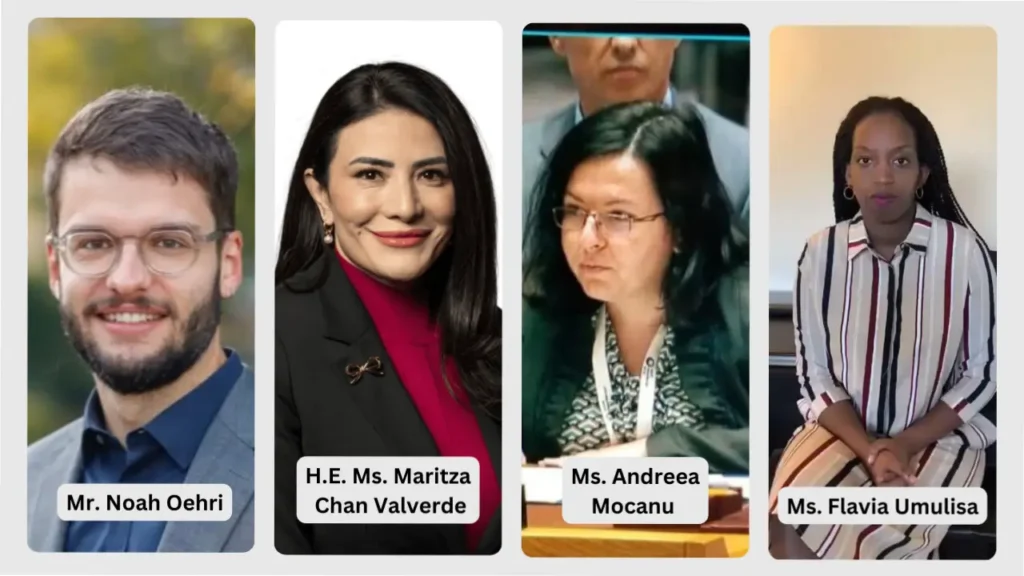
The following individuals serve as members of the Bureau for the 70th session (2026) of the Commission on the Status of Women:
IWD 2026 Give To Gain
While the United Nations handles complex international laws, local groups and businesses have rallied under the IWD 2026 Give To Gain theme. This campaign is a major change in how we view gender equality. It moves away from outdated ideas where one group loses if another wins, toward a belief in “intentional multiplication”.
The “Give to Gain” idea states that helping women creates huge benefits that strengthen all of society, capturing the simple truth that “when women thrive, we all rise”. Giving, in this modern sense, means much more than just donating money. It means sharing knowledge, resources, tools, mentorship, visibility, and strong support.
Corporate use of this theme is very visible and smart in 2026. For example, the customer service industry, shown by companies like Foundever, has launched global campaigns like WomenIgnite to bring the “Give to Gain” idea to life. By actively paying for AI and computer classes, especially for girls in poor areas through groups like Inspiring Girls—these companies know that giving digital skills directly creates a smarter, stronger, and more welcoming future workforce that helps the whole economy.
Top-tier colleges have also built this idea into how they work. Programs at the University of Oxford’s Saïd Business School and Cambridge Judge Business School prove that mentoring is not about dividing power, but multiplying it. As perfectly stated by Cambridge’s Women & Gender Equality group, the modern workplace rule is simple: “If they don’t give you a seat at the table, bring a folding chair, and while you’re there, pull up a seat for another woman”. The “Give to Gain” approach proves that opening doors and mentoring does not mean lowering standards or spreading out limited resources; instead, it ensures that global talent is never thrown away due to unfair bias.
Global Impact
The real-world use of these strong themes is clear in the massive number of March 8 women’s day events happening around the world. These meetings and local projects tackle highly specific challenges women face, ranging from healthcare gaps in Europe to business leadership in Asia and mass sports programs in India.
WHO Europe Summit
On March 5, 2026, the World Health Organization Regional Office for Europe held an important online meeting about how gender impacts health. A main point of the event is that a woman’s right to the best possible physical and mental health is the required base for strong, lasting societies. Even though women make up 51 percent of the WHO European Region’s people, they regularly spend more of their lives in poor health. From reproductive care to mental health and chronic illness, women face unique challenges caused by biology, business, and their environment.
The meeting placed a major focus on the shocking amount of gender-based violence, which the WHO officially calls a severe public health crisis. Facts show that nearly one in three women in the region experiences physical or sexual violence in their lifetime. The meeting discussed the “Care, courage, change” report, which showed huge failures in how doctors handle post-violence care across 53 countries.
| Essential Health Service for Survivors of Violence | European Member States Mandating Provision |
| Safe Abortion Services | 13% (7 Countries) |
| Emergency Contraception | 32% (17 Countries) |
| HIV Post-Exposure Prophylaxis | 32% (17 Countries) |
| Mental Health Assessment | 38% (20 Countries) |
| Mental Health Referrals | 43% (23 Countries) |
| Training on Identification/Response | 75% |
Also, the WHO heavily criticized rules in nearly one-third of the region’s countries (32%) that force doctors to report adult survivors of home violence to the police without asking them first. This outdated rule takes away a woman’s choice, breaks privacy, and actively stops victims from seeking critical, lifesaving care. Through a special program, the WHO is actively demanding that countries provide the full package of needed services and remove these unfair barriers to care.
The ADB Summit
In the Asia-Pacific region, the business side of gender equality 2026 was the main topic of the Asian Development Bank (ADB) summit, “When Women Lead,” held at the ADB Headquarters in Manila. The summit featured a highly anticipated speech by H.E. Dr. Harini Amarasuriya, the Prime Minister of Sri Lanka.
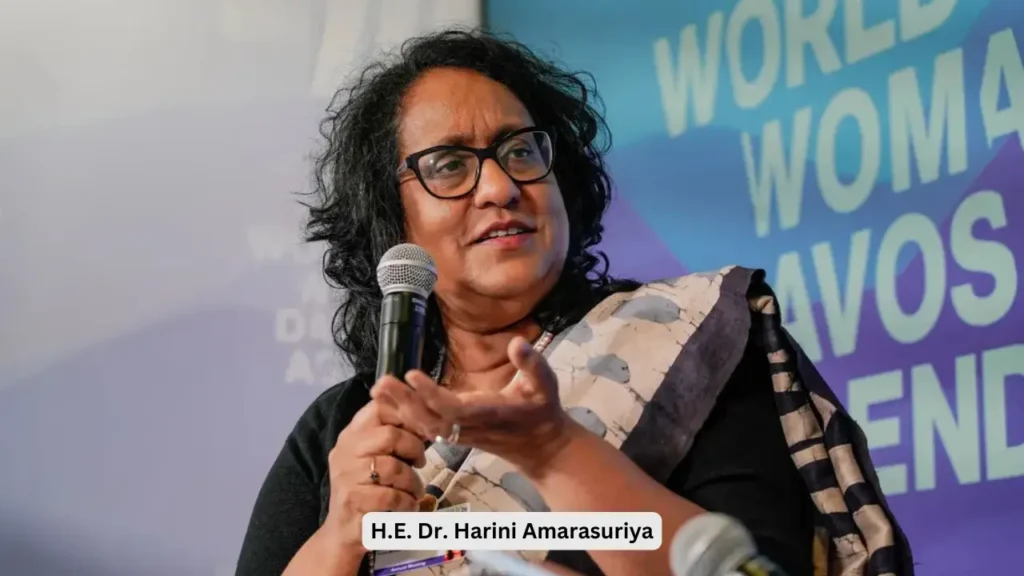
Following her strong showing at the Global Leaders’ Meeting on Women in Beijing, Dr. Amarasuriya used the ADB stage to highlight Sri Lanka’s wins in building fair growth. She stressed that women must remain a top priority in business and political plans across the Global South. During the great event, Dr. Amarasuriya was given the Inaugural Shireen Lateef Award for Women’s Leadership, a beautiful tribute to the late pioneer who built much of the ADB’s gender and development rules. The meeting was perfectly paired with the “SheSustains: Marketplace for Women’s Empowerment,” an event running from March 10 to 13 that showed off women-owned businesses, non-profits, and local craft makers. This clearly recognized the crucial role female business owners play in building healthy, local economies.
India’s ASMITA Initiative
Showing the amazing power of mass events, the Indian Ministry of Youth Affairs and Sports put together one of the largest physical movements for IWD 2026 through the ASMITA program. Taking place on March 8, the massive “Khelo India” sporting event happened at the exact same time across 250 districts nationwide, expecting a record-breaking turnout of 250,000 women on a single day.
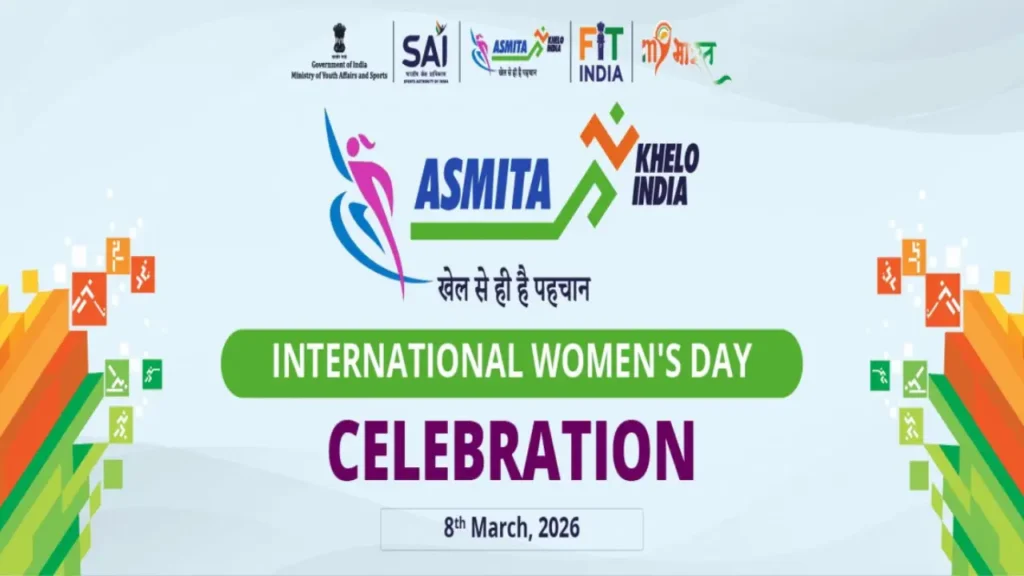
The planning and size of the ASMITA league are historic. The project specifically aims at poor and remote areas to break down deeply rooted, unfair barriers to physical fitness and public life. The Northeast region took the main stage, hosting 36 sites, with large numbers in Assam, Manipur, and Nagaland, including areas previously hurt by conflict.
| ASMITA League Operational Parameters | Event Details |
| Date & Total Scope | March 8, 2026; 250 Districts Nationwide |
| Core Athletics Events | 100m, 200m, 400m Track Races |
| Age Categories | Under 13; 13–18 years; 18+ years |
| Additional Disciplines Promoted | Wushu, Kickboxing, Weightlifting, Rugby, Judo, Yogasana |
| Standard Venue Infrastructure | 5 Technical Officials, 10 Volunteers, 1 Past Champion Athlete (PCA) per venue |
The main goal of the ASMITA league goes far beyond a single day of running. As noted by Minister Raksha Nikhil Khadse, the program serves as a critical talent search, turning sports into a real career path for women in rural villages and small towns. By pushing for active living across all ages, the project builds confidence, physical strength, and deep empowerment into the national culture. This acts as a powerful spark for improving India’s future Olympic medal count.
Data, Diversity and Gender Equality
The goal to achieve true gender equality 2026 requires an honest look at unfair systems within the corporate, tech, and money sectors. The modern workplace is heavily changed by artificial intelligence and computers, presenting both amazing chances and deep risks of built-in, automated bias.
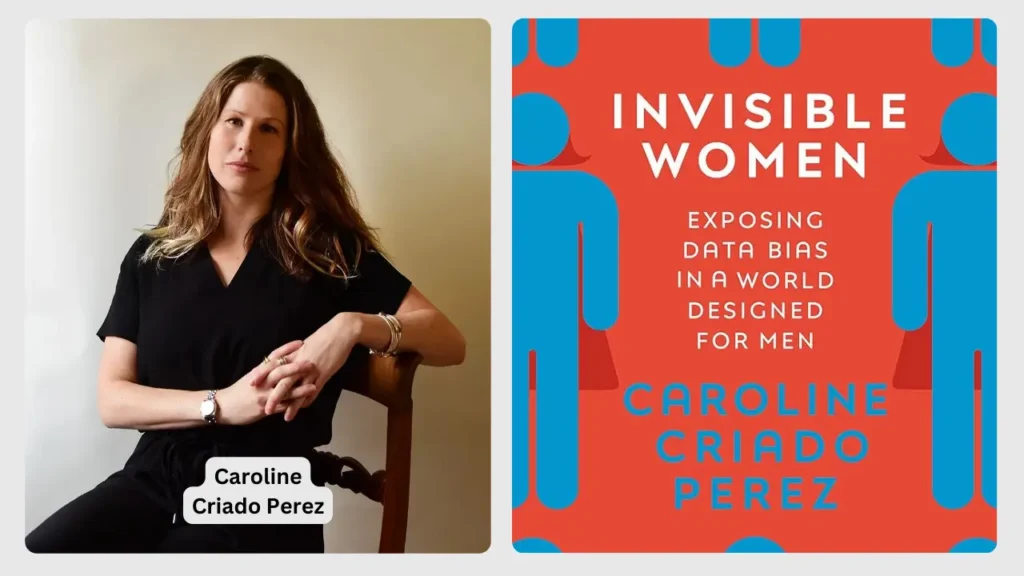
The widespread ignoring of female data is fully proven in Caroline Criado Perez’s famous, award-winning book, Invisible Women: Exposing Data Bias in a World Designed for Men. The detailed study exposes the massive “gender data gap,” showing how a world built mostly around male bodies and male data leads to severe, sometimes deadly, results. For instance, women are 47 percent more likely to suffer serious injury in car crashes because vehicle safety designs and crash-test dummies are based on male bodies. Similarly, medical research frequently forgets female bodies, leading to wrong or harmful drug doses. In the office, this turns into the heavy burden of “non-promotable work”—admin tasks and office chores that mostly fall to women, severely hurting their career growth and perceived leadership value.
Data shows even worse gaps when looking at the workforce through a broader lens. Research indicates that disabled women face a huge pay gap, earning over 10 percent less per hour than non-disabled women. This gap is driven mostly by being blocked from higher-paying boss roles.
Furthermore, the ground-breaking “Broken Ladders” report reveals the extreme mistreatment of women of color in the workplace, breaking the “myth that hard work always equals success”. The data shows that a shocking 75 percent of women of color have faced racism at work, while 61 percent report actively changing parts of themselves—including their language, hairstyles, and even their names—simply to “fit in” to unfriendly corporate cultures. Bias begins at the hiring stage for 52 percent of women of color, and 42 percent report being passed over for a raise despite getting excellent work reviews.
Using artificial intelligence to hire and promote people needs strict, immediate checks. Under current equality laws, computers cannot be used as an excuse for unfair results. Checking AI tools for old gender and racial biases, and ensuring fair access to digital training, is highly important to stop the creation of a tech-driven lower class of female workers. Also, fighting online abuse—including fake sexual images—has become a main pillar of the European Commission’s plans, showing the urgent need to protect women’s safety online.
Moving from Advice to Action
A huge part of the “Give to Gain” idea is changing how workers support rising female talent. While mentoring gives good advice, true career speed requires sponsorship. A sponsor actively speaks up for a female coworker in critical, high-level meetings where she is not in the room. They use their power to unlock big projects, make smart introductions, and support women based on their future potential rather than exhaustively proven past work.
For those wanting to join groups to give or receive help, many global platforms make amazing connections:
| Global Mentorship Initiative | Focus Area and Operational Scope |
| Vital Voices Global Mentoring Walks | Hosts over 136 walks across 35+ countries; pairs rising and expert female leaders to inspire future generations. |
| WiCyS Professional Mentorship | A 9-month intense program focused on the cybersecurity sector; pairs mentors with groups to advance tech skills. |
| Women’s Foreign Policy Group (WFPG) | Runs a year-long Mentor Match program connecting students with seasoned experts in global politics. |
| Women in Tech Mentoring Platform | Operates globally to close the AI training gap, offering advice for career shifts and increasing female bosses. |
Leader’s Words
Making the “Rights. Justice. Action.” and “Give to Gain” goals real requires firm, structural changes by workers and companies of all sizes. Looking at the detailed guides provided by leadership experts, several clear steps emerge to advance gender fairness today.
1. Fix Your Words and Hidden Biases Breaking down unfair systems begins with the words we use every day. Workers must actively challenge double standards in office talk. If terms like “working mother” or labels calling a passionate woman “aggressive” or “emotional” cannot be smoothly flipped to describe men (e.g., “working father”, “headstrong men”), they must be dropped immediately. Companies should encourage taking tests to find hidden biases. Furthermore, practice radical belief: if a woman reports experiencing bias, believe her story. Staying “neutral” is essentially taking the side of the abuser and misses a vital chance for real change.
2. Make Real Corporate Changes Having a seat at the table requires high numbers. Research always shows that true culture shifts within corporate offices do not happen through token hires; women must make up at least 30 percent of corporate boards to turn boardrooms from strict boss-led groups to open, smart teams. Companies must set and publicly show clear gender hiring goals and run regular pay checks to close existing wage gaps. Ensure that high-visibility big projects are handed out fairly, and fight the “prove it again” bias by promoting women based on their clear potential.
3. Champion Flexibility and Full Health Leaders must default to flexible working hours—treating them as basic fairness tools rather than special perks. The workplace must stop the deep failures that lead mothers to report that children hurt their careers. Also, create a safe space around women’s health. Train managers and create formal rules regarding period health, chronic illness, and menopause, as these symptoms can deeply hurt career growth if they are mocked.
4. Buy Diverse and Use Your Power The need to “Give to Gain” extends far beyond internal corporate walls. Companies hold immense power to drive fairness through what they buy by actively picking diverse sellers and hiring coaches from minority backgrounds. Furthermore, male support is crucial; men must be trained to stop bias during performance reviews, loudly repeat and credit female voices during planning meetings, and actively fight the heavy online abuse faced by female workers.
Conclusion
The global conversation surrounding International Women’s Day 2026 clearly shows that gender fairness is not a charity project, but an economic and legal must-have. The facts prove that when systems of justice work fairly, when doctors provide full survivor care, and when companies move from fake diversity numbers to real, structural support, the resulting new ideas and strength benefit the entirety of the world.
The goal for 2026 is clear: giving access, forcing justice, and breaking down old barriers is the clear way to gain a rich, fair future for everyone. What will you give to gain today?
READ OUR OTHER ARTICLES
- ओडिशा का दीपक पहुंचा बेंगलुरु, Hardik Pandya की उदारता ने मचाया तहलका
 भारत में क्रिकेट केवल एक खेल नहीं, बल्कि एक गहरी सामाजिक भावना है जहाँ खिलाड़ी भगवान की तरह पूजे जाते हैं और प्रशंसक उनके प्रति अटूट स्नेह प्रदर्शित करते हैं. … Read more
 - Iran’s Darkest Day: Screams for Revenge and a Missing Leader
 On Sunday, July 5, 2026, Iran entered the tense and highly charged Khamenei funeral Day 2. This marked a critical moment in a six-day state funeral meant to show the … Read more
 - अजीत कुमार: प्रेरणादायक सफर और वैश्विक उपलब्धियों का महाकाव्य
 भारतीय सिनेमा के परिदृश्य में कुछ ऐसे व्यक्तित्व होते हैं जो पर्दे की चकाचौंध से परे जाकर समाज और संस्कृति पर अपनी अमिट छाप छोड़ते हैं। दक्षिण भारतीय सिनेमा के … Read more
 - Coachella 2026: Highlights and History-Making Moments You Missed!
 The 25th anniversary of the Coachella Valley Music and Arts Festival just wrapped up, and it was absolutely legendary! From April 10–12 and April 17–19, 2026, the Empire Polo Club … Read more
 - वैभव सूर्यवंशी का टीम इंडिया में चयन हो चुका है?
 भारतीय क्रिकेट के इतिहास में कुछ क्षण ऐसे आते हैं जो केवल खेल के आंकड़ों को नहीं बदलते, बल्कि पूरे देश की खेल भावना और भविष्य की दिशा को पुनर्परिभाषित … Read more