

| Passenger Scenario | Visa Required? | Required Action / Advice |
| Direct Transit: Mumbai to Frankfurt to New York (Single PNR) | No | Stay within Airside Transit zones. Stay must be under 24 hours. |
| Inter-Terminal: Delhi to Munich (T1) to Toronto (T2) (Single PNR) | No | Use the internal airside shuttle bus. Do not exit toward baggage claim. |
| Intra-Schengen: Bengaluru to Frankfurt to Paris | Yes | A full Schengen Area C-Visa is mandatory as you clear immigration in Frankfurt. |
| Self-Transfer: Delhi to Frankfurt (LH) + Frankfurt to London (Ryanair) | Yes | Collecting bags requires entering the country. A visa is mandatory. |
| Overnight Stay: Layover > 24 hours or staying in a landside hotel | Yes | You must cross immigration to reach the hotel. Only the MY CLOUD hotel is airside. |
Frankfurt Unlocked: Germany Scraps Transit Visas for Indians
The announcement on January 12, 2026, during German Chancellor Friedrich Merz’s state visit to India, marks the end of a decades-old logistical hurdle for the Indian traveler. For years, Indian citizens were among a small subset of nationalities required to obtain a Schengen Area Airport Transit Visa (ATV), even for brief layovers in secure terminal areas. This requirement was often a “transit nightmare,” involving non-refundable fees of approximately €90 (roughly ₹8,200) and biometric appointments that could delay travel by weeks.
The new policy, a highlight of the Merz-Modi Joint Statement, grants “Transit Privilege” to Indian passport holders. Germany is now positioning itself as a premier global hub, competing directly with Middle Eastern gateways and European rivals like France and the Netherlands. However, this waiver is strictly conditional. It operates only within specific “sterile” zones and carries several “Red Lines” that, if ignored, will lead to denied boarding at your point of origin.
The New Rule: Defining “Airside Transit”
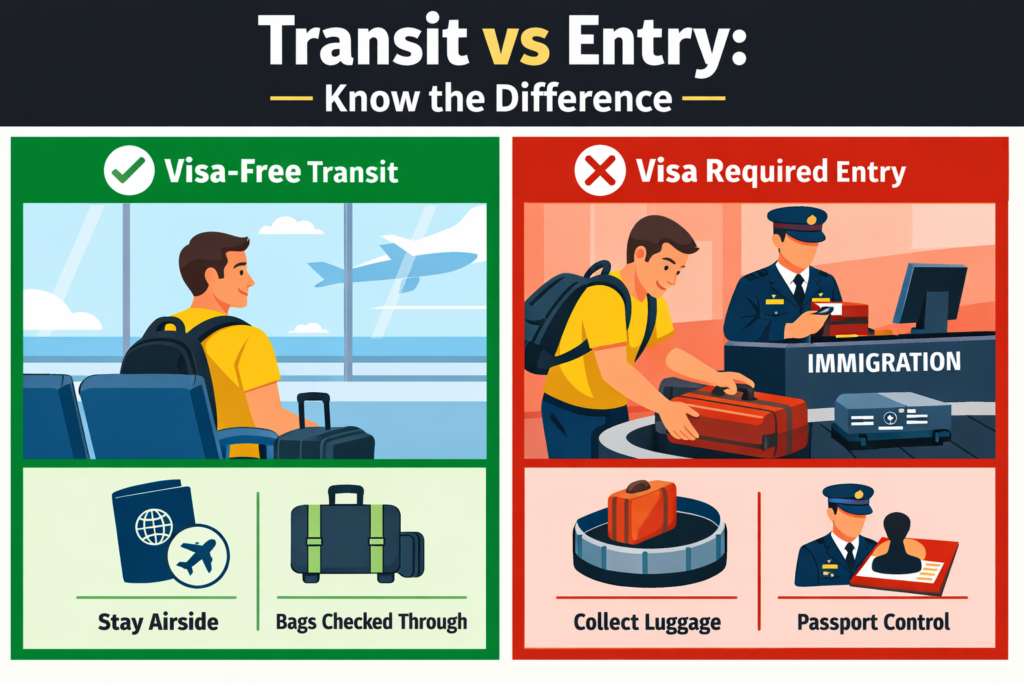
The 2026 policy is centered on the legal concept of Airside Transit. A traveler is only exempt from a visa if they remain within the “International Transit Area” of the airport at all times.
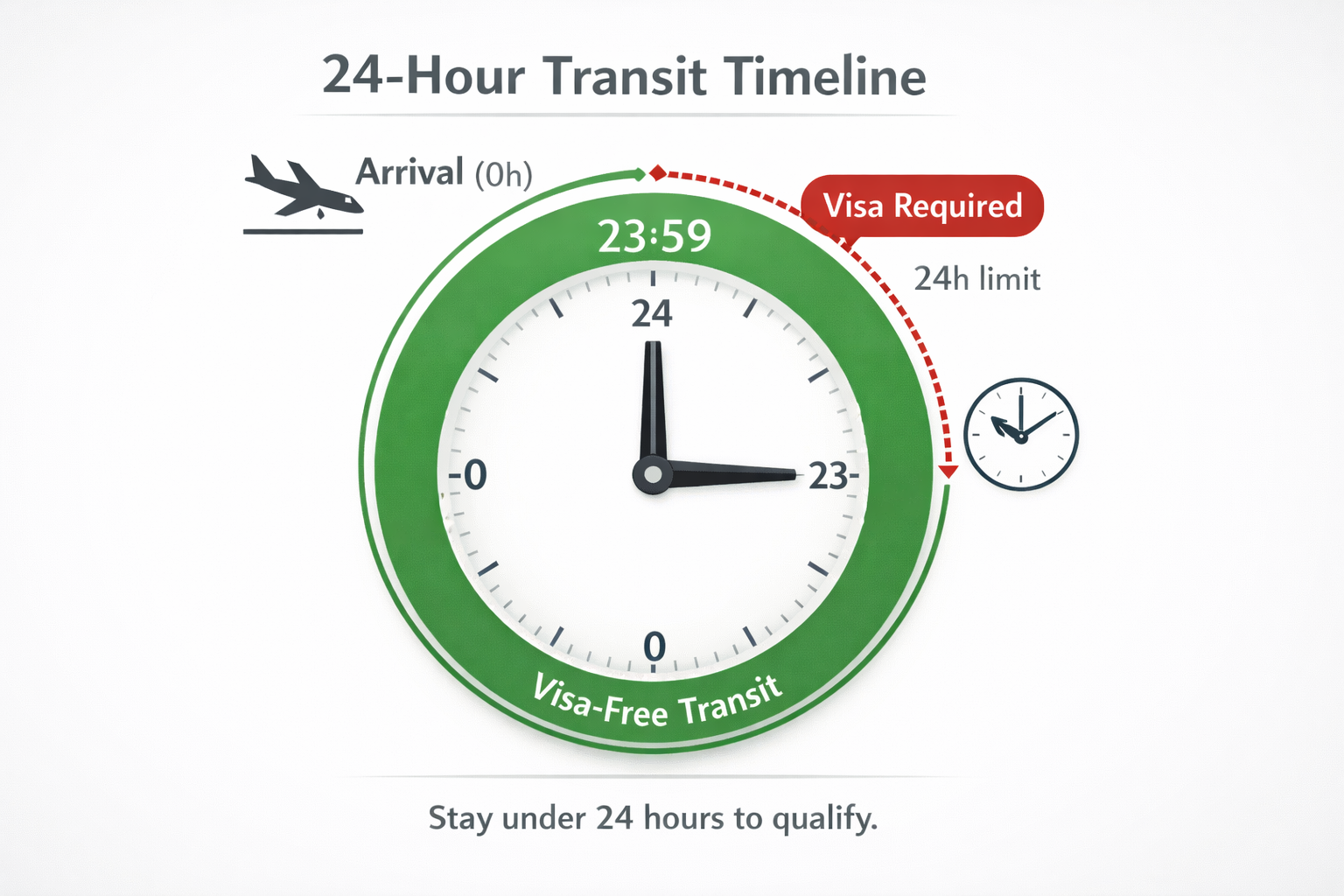
The 24-Hour Boundary
The waiver is strictly time-bound. The connection must occur within 24 hours of arrival. If your flight schedule necessitates a stay of 25 hours, the transit privilege expires. In such cases, airlines are legally required to verify a full Schengen visa before allowing you to board in India.
Major Hubs Covered
The visa-free facility is active at Germany’s primary international gateways:
- Frankfurt (FRA) and Munich (MUC): Offer 24/7 airside transit and the most seamless connections.
- Berlin Brandenburg (BER), Hamburg (HAM), and Düsseldorf (DUS): Also covered, though smaller airports like HAM and DUS may have restricted transit hours.
The Implementation Gap
A vital piece of advice for the 2026 season: Announcement does not equal immediate activation. While the policy was unveiled on January 12, 2026, the German Foreign Office has clarified that a visa remains mandatory until the Federal Ministry of the Interior formally implements the decision.
This implementation is expected to take “a few months.” Travelers with trips planned for early 2026 must continue to obtain an ATV unless they hold a valid US, UK, or Canadian visa. Flying without a visa before the formal “Implementation Date” is announced will result in being denied boarding.
The “Red Lines”: When You STILL Need a Visa
The 2026 waiver is not a blanket “visa-free” entry; it is a surgical exemption for transit. You will still need a visa in the following scenarios:
1. The Self-Transfer Trap
If you book two separate tickets—for instance, Air India to Frankfurt and a separate Ryanair flight to London—you are performing a “self-transfer.” Most budget carriers do not have interline agreements, meaning your bags will only be checked to Germany. To board your second flight, you must clear immigration, enter Germany to collect your bag, and re-check it at the departure hall. The moment you approach immigration, the transit waiver is void.
2. The “Double-Schengen” Stop
If your journey involves more than one stop within the Schengen Area, you are technically entering the zone at your first port of arrival.
- Example: Mumbai to Frankfurt to Amsterdam to New York.
- The Rule: The flight between Frankfurt and Amsterdam is considered an “internal” flight. You must clear immigration in Frankfurt to board it, requiring a standard Schengen C-Visa.
3. Changing Airports
Germany has multiple international airports, but they are not connected airside. Arriving at Frankfurt (FRA) and departing from Munich (MUC) requires traveling through German territory, which necessitates a visa.
Tactical Strategy: Booking for Maximum Protection
To ensure the 2026 waiver works for you, your booking strategy must be deliberate.
The Single Ticket PNR Advantage
A Single Ticket PNR is essential. When you book a through-journey on a single airline website (e.g., Lufthansa.com), the airline takes legal responsibility for your baggage and transit. If your first flight is delayed, they will re-book you on a later flight while keeping you within the secure airside zone. Codeshare flights between Air India and Lufthansa are now highly recommended for this reason.
Navigating Terminals
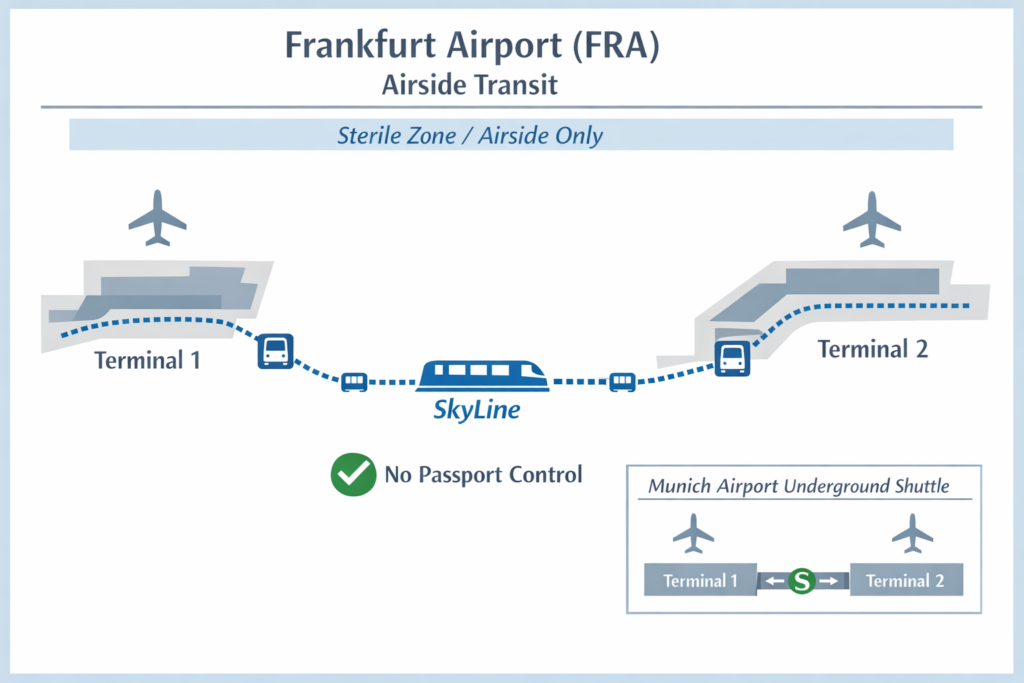
- Frankfurt (FRA): If you need to switch between Terminal 1 and Terminal 2, look for the Airside SkyLine train. It has dedicated “sterile” cars that allow you to change terminals without a visa.
- Munich (MUC): This airport is highly efficient for Indians. Use the underground automated shuttle to move between Terminal 2 and its Satellite building—a one-minute journey that is entirely airside.
Managing Long Layovers
If you have an 8- to 12-hour layover, do not book a hotel outside the airport. Instead, use airside facilities:
- Lounges: Frankfurt and Munich offer numerous airside lounges for rest.
- Transit Hotels: Frankfurt’s MY CLOUD hotel (Terminal 1, Gate Z) is located before passport control. You can stay here without a visa.
- Napcabs: Munich offers automated sleep pods airside for short-term rest.
Comparison: Why Germany is Now the Top Choice
The 2026 waiver makes Germany the most competitive transit point in Europe for Indian travelers, saving a family of four nearly ₹40,000 in visa and service fees.
| Country | Transit Policy for Indians (2026) | Status |
| Germany | Visa-Free Airside Transit | Announced Jan 2026; Implementation pending. |
| France | ATV Required | Mandatory unless you hold a US/UK visa. |
| Netherlands | Visa-Free Airside Transit | Generally allowed at Schiphol for Indians. |
While the Netherlands has long been liberal, Germany’s new proactive stance—including plans for Hindi signage at Frankfurt—positions it as a more “welcoming” gateway.
Conclusion
The 2026 policy shift is a massive win, but it demands traveler discipline. Celebrate the end of the “Type A” visa hurdle, but stay vigilant about the “Red Lines.” Avoid self-transfer traps, stick to single-ticket bookings with major carriers like Lufthansa or Air India, and always confirm that your layover remains comfortably under 24 hours.
READ OUR OTHER ARTICLES
- Know the Real Reason Behind Tarun Kumar’s Death Over a Holi Balloon
 The Holi festival turned tragic in southwest Delhi this year. On Wednesday, March 4, 2026, the narrow lanes of a JJ Colony in Uttam Nagar became the center of a … Read more
 - T20 World Cup Final 2026: India vs New Zealand
 The cricket world is getting ready for its biggest event. On Sunday, March 8, 2026, the T20 World Cup 2026 final will take place. The stage is set for a … Read more
 - 1,000-Year-Old Kakatiya Vishnu Idol Found in Telangana
 The quiet forests of the Jayashankar Bhupalpally district in Telangana recently gave up a secret they had been keeping for a thousand years. In March 2026, as the summer heat … Read more
 - Kerala Set to Manufacture BrahMos Missile on 180-Acre
 India’s plan to become self-reliant in defense took a major leap forward on March 2, 2026. On this day, the Kerala Cabinet made a historic decision to give 180 acres … Read more
 - Why Aman Gupta Chose His Birthday to Reveal OFF/BEAT ?
 On March 3, 2026, the Indian startup world saw a digital shift that was as much about legacy as it was about the future. Aman Gupta, the famous co-founder of … Read more